


Facing a complex criminal trial in Brampton is an overwhelming experience. The stakes are incredibly high, involving potential jail time, a criminal record, and life-altering consequences. When negotiation fails and your case is heading to trial, you need more than just a lawyer; you need a skilled trial litigator who understands the intricate workings of the Ontario court system. This guide explains how Badesha Law, a criminal defence law firm in Brampton, meticulously prepares and executes a robust defence for complex criminal trials.
The Foundation of a Strong Trial Defence: A Meticulous Strategy
The moment it becomes clear that a case is proceeding to trial, the focus shifts entirely to preparation. A successful trial outcome is not won in the courtroom on the day of—it is won through months of diligent, strategic work. As a dedicated criminal lawyer in Brampton, our first step is a deep dive into the Crown’s case.
Deconstructing the Crown’s Evidence (Disclosure)
Disclosure is the complete file of evidence the prosecution intends to use against you. Our process at Badesha Law involves:
- Forensic Analysis: We scrutinize every police report, witness statement, video recording, and piece of physical evidence. We look for inconsistencies, procedural errors, and violations of your Charter rights.
- Identifying Weaknesses: Is a key witness’s testimony unreliable? Was the search and seizure unlawful? Did police fail to follow proper procedure during the arrest? These weaknesses become the pillars of your defence.
- Legal Research: We research precedent-setting cases and relevant sections of the Criminal Code that apply to the unique facts of your case. This legal groundwork is essential for building persuasive arguments in court.
Understanding the evidence inside and out allows us to anticipate the Crown’s strategy and prepare effective counter-arguments. This is a critical stage where an experienced Brampton criminal defence lawyer can identify opportunities that others might miss.

Executing the Defence Strategy in a Brampton Courtroom
With a solid strategy in place, the focus turns to the trial itself. A criminal trial in the Brampton courthouse is a formal, structured process where evidence is presented and legal arguments are made. Our role at Badesha Law is to challenge the Crown’s case at every turn and present a compelling narrative that raises a reasonable doubt.
Key Stages of a Criminal Trial and Our Role
- Pre-Trial Applications (Charter Motions): Before the trial even begins, we may file motions to have crucial evidence excluded. If police violated your right to counsel or conducted an illegal search, a successful Charter application can cripple the Crown’s case, sometimes leading to a withdrawal of the charges.
- Cross-Examination of Crown Witnesses: This is often the most critical part of a trial. Our lawyers skillfully cross-examine police officers and civilian witnesses to expose inconsistencies, biases, or errors in their testimony. The goal is to undermine the credibility of the Crown’s evidence.
- Presenting Defence Evidence: After the Crown presents its case, we decide whether to call defence evidence. This could involve you testifying, calling expert witnesses (e.g., forensic specialists), or presenting testimony from other witnesses who support your version of events. This is a strategic decision made in close consultation with you.
- Closing Arguments: This is our final opportunity to speak directly to the judge or jury. We summarize the evidence, highlight the weaknesses in the Crown’s case, and argue why the evidence fails to prove guilt beyond a reasonable doubt.
Navigating a complex trial requires an intimate knowledge of the Brampton courthouse, its procedures, and its key players. Our daily presence in Peel Region courts gives us the practical experience needed to effectively advocate for you at every stage.

Common Charges That Lead to Complex Trials in Ontario
While any charge can potentially go to trial, some are inherently more complex and frequently require a full trial for resolution. These cases often involve conflicting evidence, complex legal arguments, and severe penalties.
- Serious Assault Charges: Cases like aggravated assault often depend on witness credibility, self-defence arguments, and forensic evidence.
- Impaired Driving (DUI) Causing Bodily Harm or Death: These trials involve highly technical evidence, including collision reconstruction reports and toxicologist testimony.
- Complex Fraud or Theft Over $5,000: These cases often hinge on complicated financial paper trails and require a deep understanding of financial law.
- Drug Trafficking: Trials may focus on challenging search warrants, the chain of custody for evidence, and proving intent to traffic.
- Domestic Violence Allegations: Often, these cases lack independent witnesses and turn entirely on the credibility of the complainant versus the accused.
For any of these charges, having a lawyer who is a seasoned trial strategist is non-negotiable. Badesha Law has a proven track record of defending clients against serious charges in the Brampton and Peel Region courts. A more detailed breakdown of what to expect can be found in our guide on what to expect when charged in Brampton.
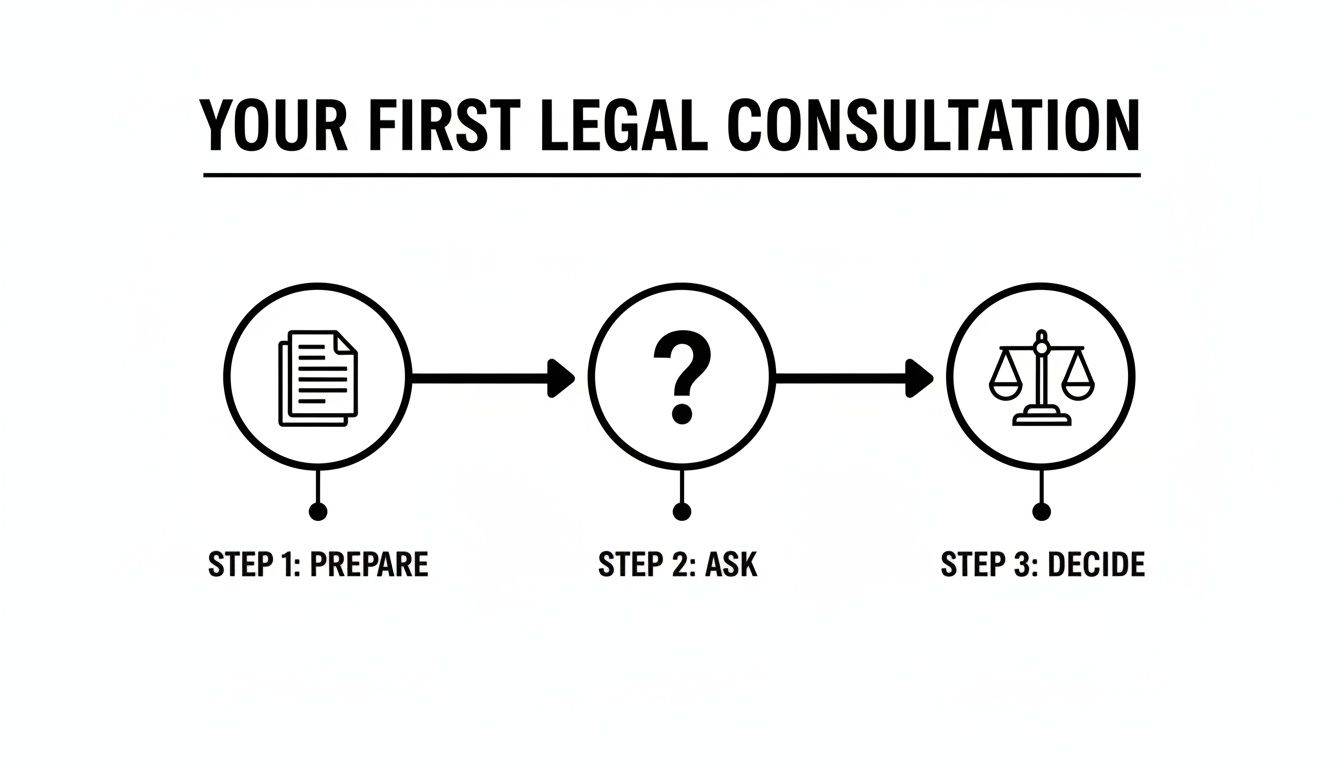
Frequently Asked Questions About Brampton Criminal Trials
Facing a trial brings a wave of questions and uncertainty. Here are straightforward answers to some common concerns people have in Brampton.
How long does a criminal trial take in Brampton?
The timeline varies significantly. A simple trial might conclude in a day or two, but more complex matters involving multiple witnesses and expert testimony can last for a week or longer, often spread out over several months due to court scheduling. The entire process from charge to trial verdict in Peel Region can often take 12 to 18 months.
Should I testify in my own defence?
This is one of the most important strategic decisions in a criminal trial. As the accused, you have the right to remain silent and are not required to testify. The decision depends entirely on the specifics of your case, the strength of the Crown’s evidence, and how credible you would appear on the stand. At Badesha Law, we provide a candid assessment of the risks and benefits to help you make an informed choice.
What does “beyond a reasonable doubt” actually mean?
This is the high standard of proof the Crown must meet for a conviction. It doesn’t mean proof beyond any doubt, but it is much more than a suspicion or probability of guilt. If the judge or jury has a reasonable doubt about any essential element of the offence after hearing all the evidence, they must acquit. A skilled criminal lawyer’s job is to create and solidify that doubt. For more answers, visit our criminal law FAQ page.
When your freedom is on the line, you need a defence team with the skill, experience, and dedication to fight for you in trial. The lawyers at Badesha Law are prepared to meticulously analyze your case and build the strongest possible defence. If you are facing a criminal trial, contact a criminal lawyer in Brampton at our firm for a free, confidential consultation to discuss your options.
https://criminallawyerinbrampton.com
No comment